Navi Mumbai Property Market Outlook 2026–27: Prices, Trends and Forecast
Navi Mumbai has consistently demonstrated resilience and growth within the broader Mumbai Metropolitan Region (MMR) real estate landscape. Its strategic development, focused infrastructure, and planned urbanisation have positioned it as a significant investment destination for both end-users and investors. This comprehensive outlook examines the factors influencing property prices, identifies emerging trends, and offers a forecast for its future trajectory, providing a detailed perspective on what to expect from this dynamic market.
Understanding the Growth Drivers of Navi Mumbai
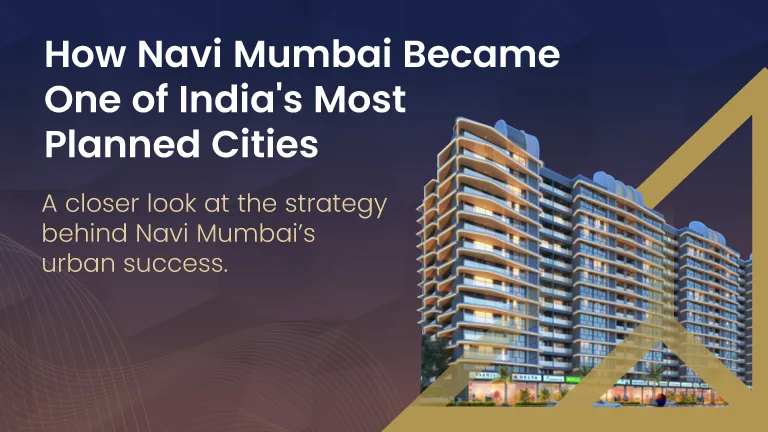
The planned development model of Navi Mumbai, spearheaded by CIDCO (City and Industrial Development Corporation), has been a primary catalyst for its structured growth. Unlike the organic, often haphazard, expansion seen in some other urban centres, Navi Mumbai’s zones were conceptualised with specific purposes, ensuring a balanced ecosystem of residential, commercial, and industrial spaces alongside green areas and robust public amenities. This foundational planning has created a high quality of life that continues to attract residents and businesses alike.
Infrastructure Development as a Market Mover
Infrastructure is arguably the most potent driver of real estate appreciation. Navi Mumbai has been a beneficiary of substantial governmental and private sector investments in this area.
- Connectivity Enhancements: The expansion of road networks, including the Mumbai-Pune Expressway and various arterial roads, has significantly improved intra-city and inter-city travel. The local railway network, operated by Central and Western Railways, provides essential connectivity to Mumbai and other parts of MMR.
- Navi Mumbai International Airport (NMIA): The development of the NMIA is perhaps the most transformative infrastructure project currently underway. This mega-project is poised to redefine the economic and logistical landscape of the region. Initial reports suggest its operationalisation will bring a surge in commercial activity, logistics, hospitality, and, consequently, residential demand in surrounding nodes like Ulwe, Panvel, and Dronagiri. Understanding how the Navi Mumbai airport is reshaping demand is crucial for assessing long-term investment potential.
- Mumbai Trans Harbour Sea Link (MTHL or Atal Setu): The recently inaugurated Atal Setu has dramatically reduced travel time between South Mumbai and Navi Mumbai. This connectivity leap has opened up previously less accessible areas, making them more attractive for residential and commercial development. Specifically, Atal Setu’s effect on Ulwe has been noteworthy, with increased interest and property value appreciation anticipated in this node.
- Coastal Road and Metro Projects: Ongoing and proposed metro lines will further enhance internal connectivity, reducing reliance on private transport and improving access to key commercial hubs and educational institutions. The Coastal Road project, while primarily impacting Mumbai, will indirectly benefit Navi Mumbai by easing traffic congestion on existing routes connecting the two cities.
Economic Opportunities and Employment Hubs
Navi Mumbai has evolved into a significant economic powerhouse, fostering various sectors.
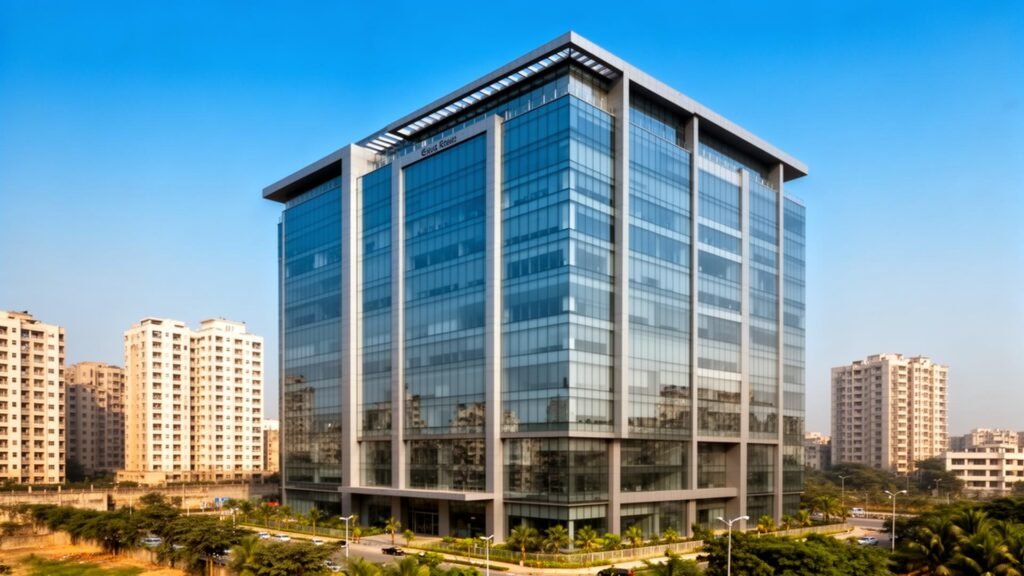
- IT and ITES: Parcels like Millennium Business Park in Mahape and other IT parks across nodes such as Airoli and Belapur have attracted numerous IT and ITES companies, creating a robust job market.
- Manufacturing and Logistics: The JNPT (Jawaharlal Nehru Port Trust) and its associated industrial belts around Panvel and Uran have fostered a strong logistics and manufacturing ecosystem. This creates direct and indirect employment opportunities, driving demand for housing and commercial spaces.
- Education and Healthcare: The presence of reputed educational institutions and multi-specialty hospitals makes Navi Mumbai a self-sufficient urban centre, attracting families seeking quality education and healthcare facilities.
Current Property Price Trends in Navi Mumbai
The Navi Mumbai property market is segmented, with prices varying significantly across different nodes, depending on factors like connectivity, infrastructure, social amenities, and stage of development. Generally, the market has seen a steady upward trajectory, reflecting the fundamental demand-supply dynamics and infrastructural push.
Established vs. Developing Nodes
- Established Nodes (e.g., Vashi, Nerul, CBD Belapur, Airoli): These areas are mature, with well-developed social and physical infrastructure. Property prices here are generally higher due to limited new supply and premium locations. Rental yields are also robust, making them attractive for investors seeking stable income. For example, flats in Airoli often command premium prices due to the presence of IT parks and excellent connectivity. Delta Group’s Aveon City in Airoli exemplifies premium living in this established node.
- Developing Nodes (e.g., Ulwe, Dronagiri, Panvel, Kharghar Extension): These areas are characterised by ongoing infrastructure development, new project launches, and relatively more affordable prices. They offer significant appreciation potential as development matures. Ulwe, in particular, has garnered immense interest due to its proximity to the NMIA and the MTHL. Interest in flats in Ulwe has surged, indicating its potential for high appreciation. Delta Group’s Delta Vistara in Ulwe showcases modern amenities and strategic location.
Price Appreciation Trends
Over the past few years, Navi Mumbai has witnessed consistent property price appreciation. While specific figures fluctuate, a general consensus among market analysts points to an annual appreciation rate that often outpaces that of many other MMR sub-markets. This appreciation is not uniform across all micro-markets but is more pronounced in areas benefiting from major infrastructure projects or those with high-quality new projects in Navi Mumbai. The demand for well-planned residential projects in Navi Mumbai continues to be robust.
Factors contributing to this appreciation include:
- Increased Demand: Continuous influx of professionals and families seeking better living standards and employment opportunities.
- Limited Land Supply in Developed Areas: As established nodes become saturated, new development opportunities become scarcer, driving up prices for existing properties.
- Preference for Planned Development: Buyers show a strong preference for localities with organised infrastructure, green spaces, and integrated townships, which Navi Mumbai offers in abundance.
- RERA Compliance: The implementation of RERA has brought greater transparency and accountability to the real estate sector, increasing buyer confidence and, in turn, demand for legitimate projects.
Emerging Trends in the Navi Mumbai Real Estate Market
The Navi Mumbai property market is dynamic, constantly evolving in response to economic shifts, technological advancements, and changing consumer preferences.
Focus on Sustainable and Green Living
There is a growing awareness and preference for sustainable living practices. Developers are increasingly incorporating green building concepts, energy-efficient designs, rainwater harvesting, waste management systems, and ample green spaces into their projects. This trend, driven by both environmental consciousness and potential cost savings for residents, is likely to become a standard expectation.
Rise of Smart Homes and Integrated Technology
Technology integration in homes is no longer a luxury but a growing expectation. Smart home features, including automated lighting, climate control, security systems, and smart appliances, are becoming more common in new developments. Developers are also looking at community-level technological integrations, such as smart waste management and advanced surveillance for enhanced safety and convenience.
Hybrid Work Models and Larger Home Spaces
The architectural landscape of residential units is also adapting to evolving lifestyle changes. The proliferation of hybrid work models, combining remote work with occasional office visits, has led to a demand for larger homes with dedicated office spaces or flexible rooms that can serve multiple functions. This emphasis on functional, adaptable living spaces is influencing new project designs.
Mixed-Use Developments
The concept of mixed-use developments, integrating residential, commercial, retail, and recreational spaces within a single complex or township, is gaining traction. These developments offer convenience, reduce commuting times, and foster a vibrant community atmosphere, aligning with the modern urban dweller’s desire for an all-encompassing lifestyle.
Investment in Rental Housing
With a constant influx of professionals and students, the rental housing market in Navi Mumbai remains strong. Investors are increasingly looking at properties not just for capital appreciation but also for consistent rental income. This trend is particularly evident in nodes with high concentrations of corporate offices and educational institutions.
Forecast for the Navi Mumbai Property Market
Looking ahead, the Navi Mumbai property market appears poised for continued growth and stability. Several factors underpin this positive outlook.
Continued Infrastructure Push
The completion and full operationalisation of the Navi Mumbai International Airport, along with proposed extensions of the metro network and further improvements in road connectivity, will serve as major catalysts. These improvements will not only boost property values but also open up new corridors for development.
Economic Resilience
Navi Mumbai’s diversified economy, coupled with ongoing government initiatives to promote business and investment, makes it resilient to economic fluctuations. The continued growth of IT, logistics, and manufacturing sectors will ensure a steady demand for both commercial and residential properties.
Population Growth and Urbanisation
As Mumbai continues to grapple with saturation and high costs, Navi Mumbai is a natural overflow destination for its growing population. The allure of planned development, relatively better air quality, and access to modern amenities will continue to attract residents seeking a balanced urban lifestyle.
Affordability Factor
While prices are appreciating, Navi Mumbai generally offers more affordable options compared to Mumbai city, making it an attractive proposition for first-time homebuyers and those looking for larger spaces within their budget. This relative affordability ensures a broad base of potential buyers.
Government Policies and Regulatory Framework
The ongoing support from CIDCO for planned development, coupled with robust regulations like RERA, provides a stable and transparent environment for real estate investment. These frameworks protect buyer interests and ensure quality project delivery, fostering greater confidence in the market.
Potential Challenges and Considerations
While the outlook is largely positive, it’s prudent to consider potential challenges.
- Infrastructure Pace: The timely completion of all proposed infrastructure projects is critical. Delays could, at times, affect market sentiment and anticipated appreciation.
- Environmental Concerns: As development continues, ensuring it is done sustainably and mitigating environmental impact will be important. Adherence to green building codes and environmental regulations is essential for long-term health and livability.
- Market Fluctuations: Like any market, real estate is subject to economic cycles. While Navi Mumbai has shown resilience, broader economic headwinds could affect growth rates. However, its strong fundamentals suggest it is well-positioned to weather such conditions.
- Affordability Maintenance: As prices appreciate, maintaining the equilibrium of affordability for a wider range of income groups becomes a consideration, to ensure inclusive growth.
Investment Hotspots and Opportunities
For those considering investment, certain nodes present particularly intriguing opportunities:
- Ulwe: Given its direct proximity to the upcoming international airport and enhanced connectivity via Atal Setu, Ulwe remains a prime candidate for significant appreciation. The early stages of development still offer opportunities for entry at relatively competitive price points.
- Dronagiri: Positioned near JNPT and envisioned as a logistics and port-based economic hub, Dronagiri offers long-term growth potential, particularly for those interested in industrial and affordable housing segments.
- Panvel: Already a bustling junction, Panvel benefits from excellent rail and road connectivity, proximity to the airport, and availability of larger land parcels for integrated townships. It is evolving into a major residential and commercial centre.
- Kharghar and Surrounding Areas: Known for its educational institutions, golf course, and planned townships, Kharghar continues to be a premium residential destination. Its extended areas offer opportunities for more budget-conscious buyers.
Investing in Navi Mumbai requires careful consideration of individual financial goals, risk appetite, and the specific micro-market dynamics. Due diligence, including verifying RERA registrations and project approvals, remains paramount. Working with reputable developers who have a proven track record is advisable for navigating this market effectively.
Key Takeaways
- Navi Mumbai’s planned development, robust infrastructure, and economic opportunities drive its property market.
- Major infrastructure projects, particularly the Navi Mumbai International Airport and Atal Setu, are significant catalysts for appreciation.
- The market exhibits steady price appreciation, with variations between established and developing nodes.
- Emerging trends include a focus on sustainability, smart homes, larger adaptable living spaces, and mixed-use developments.
- The forecast remains positive due to continued infrastructure growth, economic resilience, and population influx.
- Ulwe, Dronagiri, and Panvel are key investment hotspots offering substantial potential.
- Prudent investment involves thorough due diligence and partnering with reliable developers.
Frequently Asked Questions
Quick answers to common questions on this topic.
Property prices in Navi Mumbai are primarily driven by infrastructure development, such as the Navi Mumbai International Airport and Atal Setu, alongside a growing job market, planned urbanisation, and increasing population density. The region’s structured development model also contributes to its appeal.
Areas like Ulwe, Dronagiri, and Panvel are anticipated to experience substantial appreciation. This is largely due to their strategic locations near major infrastructure projects like the upcoming international airport and enhanced connectivity via the Atal Setu, which connects them directly to South Mumbai.
The Atal Setu (Mumbai Trans Harbour Sea Link) has dramatically improved connectivity between South Mumbai and Navi Mumbai, significantly reducing travel times. This has made nodes like Ulwe more accessible and attractive, leading to increased buyer interest and potential property value appreciation in the areas connected by the bridge.
Yes, Navi Mumbai is generally considered a promising region for real estate investment due to its robust infrastructure pipeline, diversified economy, planned urban development, and a continuous influx of residents and professionals. These factors contribute to stable property value appreciation and strong rental yields.
New residential projects in Navi Mumbai are increasingly focusing on sustainability, incorporating green building designs and energy-efficient systems. There’s also a growing demand for smart home technology, larger living spaces to accommodate hybrid work models, and integrated mixed-use developments that offer comprehensive lifestyle amenities.